
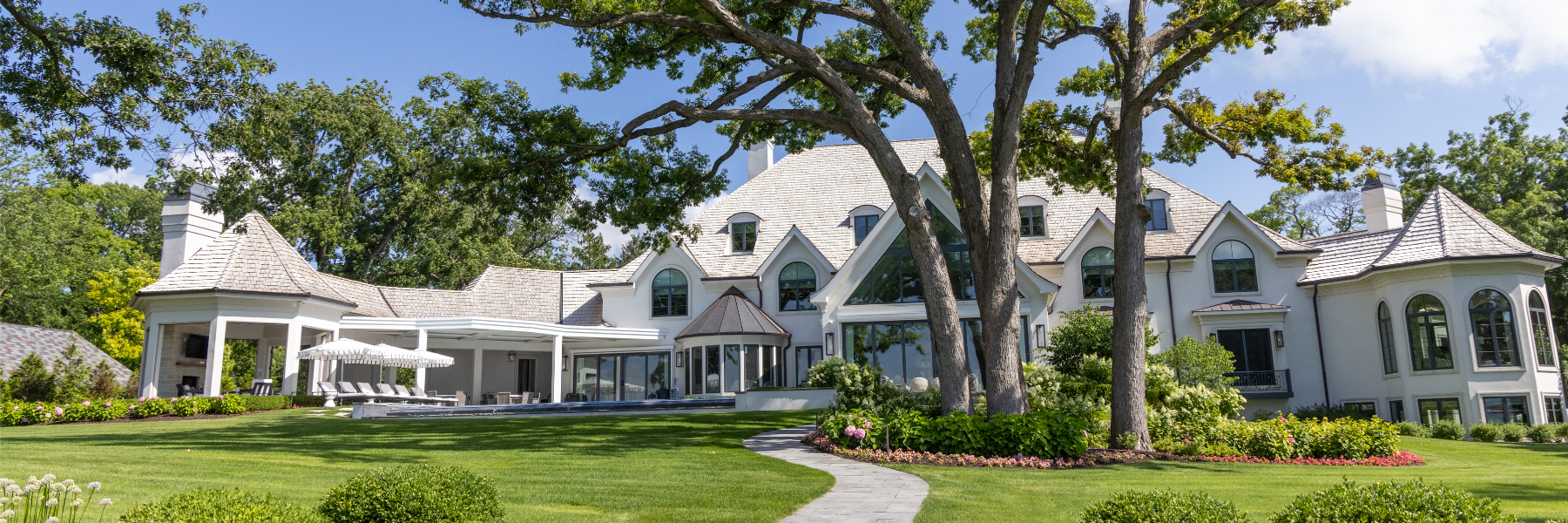
A beautiful piece of property can reveal the home that belongs there. The contours of the land, the views beyond, and the movement of natural light should all shape the architecture. When these elements are considered from the beginning, the custom home design feels naturally suited to its surroundings, with a character that feels inseparable from its setting.
Begin With the Site
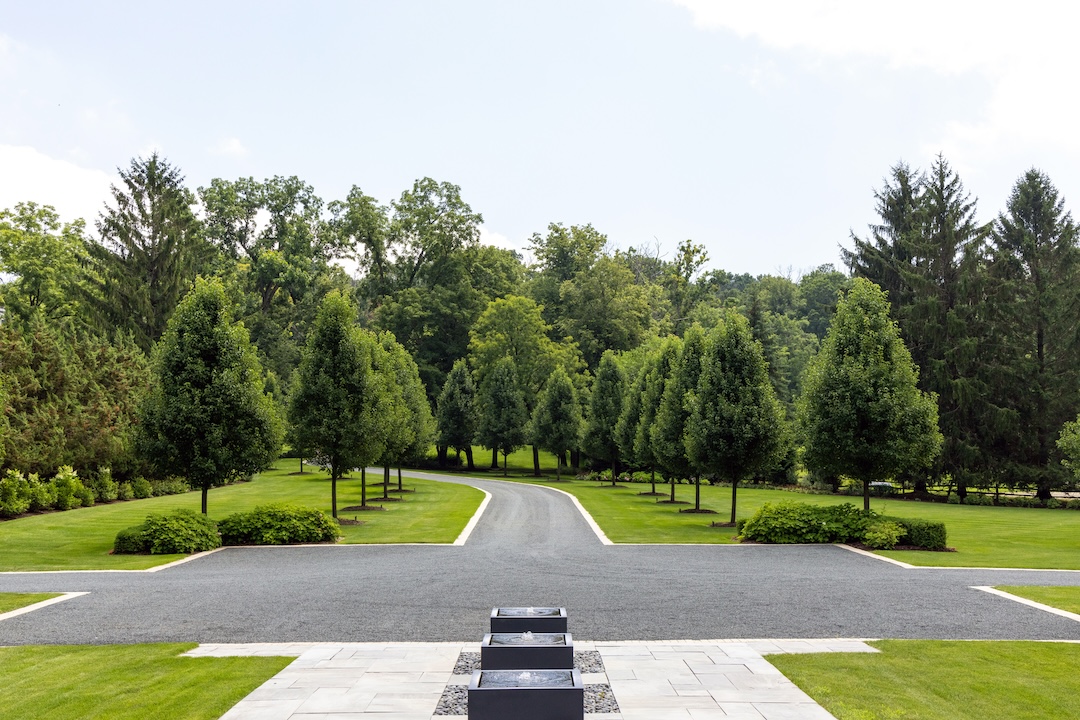
The best custom homes begin with the property, allowing the land to help determine what the house should become.
Every site offers its own possibilities, from the character of a wooded lot to the views and changing elevations of a lakefront property. Understanding the land, natural light, views, privacy and existing features before designing the home can help determine its unique character and how it lives on the property.
These aren’t minor considerations. They can shape the entire plan.
Frame What Matters
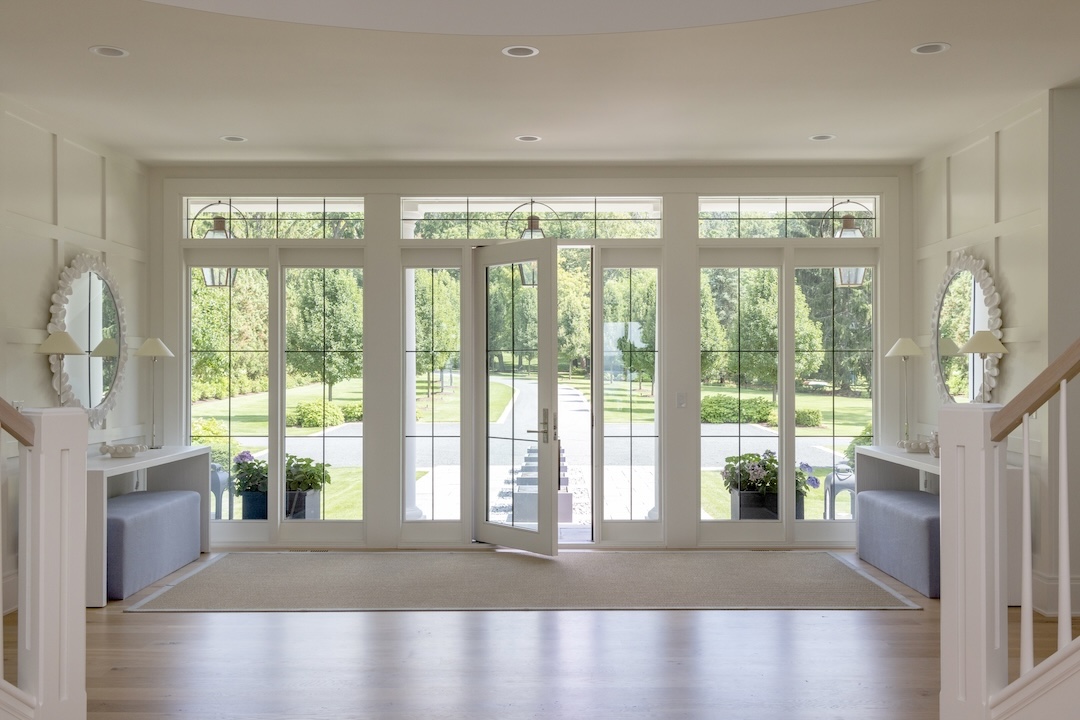
The view should have a say in where the windows go.
One of the advantages of a custom home is the ability to position windows around the views that matter most. A kitchen might look toward a mature tree, a bedroom toward the morning light, or a great room toward the lake or landscape beyond.
A wall of windows can be striking, but more glass isn’t always the goal. The best views are framed with purpose, making the property part of the experience of the home.
Follow the Light
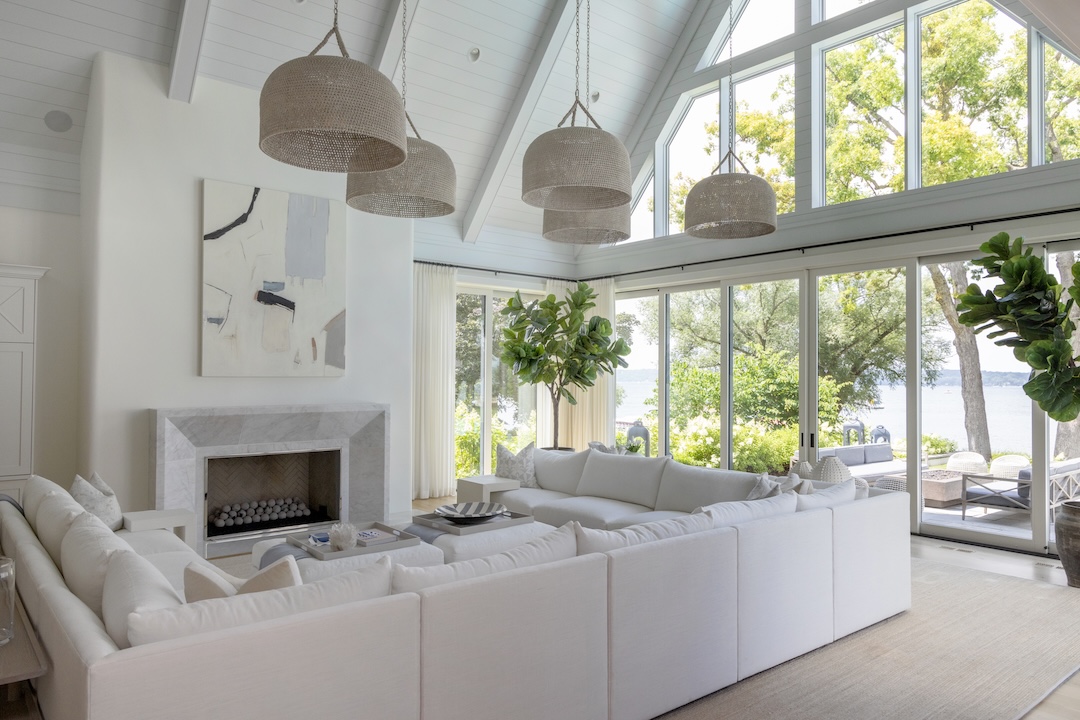
Light can shape a room just as much as walls and windows do.
In a custom home, rooms can be positioned around the way natural light moves across the property. The primary bedroom might welcome soft morning light, while a kitchen catches the first rays of the day. A living room may benefit from afternoon sun, while a home office might be better placed to avoid glare.
The goal isn’t simply to bring in more light. It’s to understand how light changes throughout the day and design the home to make the most of it.
Let the Land Shape the Home
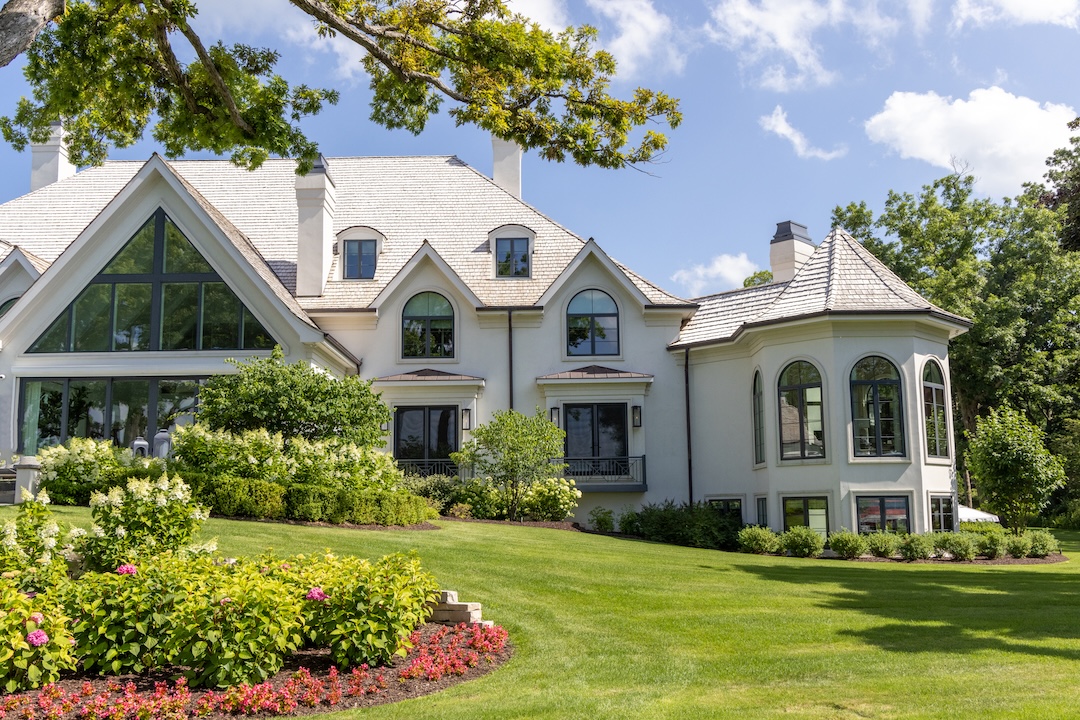
The most interesting properties aren’t always the easiest ones to build on.
A slope can become a walk-out lower level, a change in elevation can create a terrace or courtyard, and mature trees can provide privacy, shade and views. With a custom home design, the layout can work with these natural features, following the grade, preserving what is worth keeping and creating architecture that feels inherently tied to the land.
Sometimes the most distinctive features of a property are the ones you can’t change.
Consider the Approach
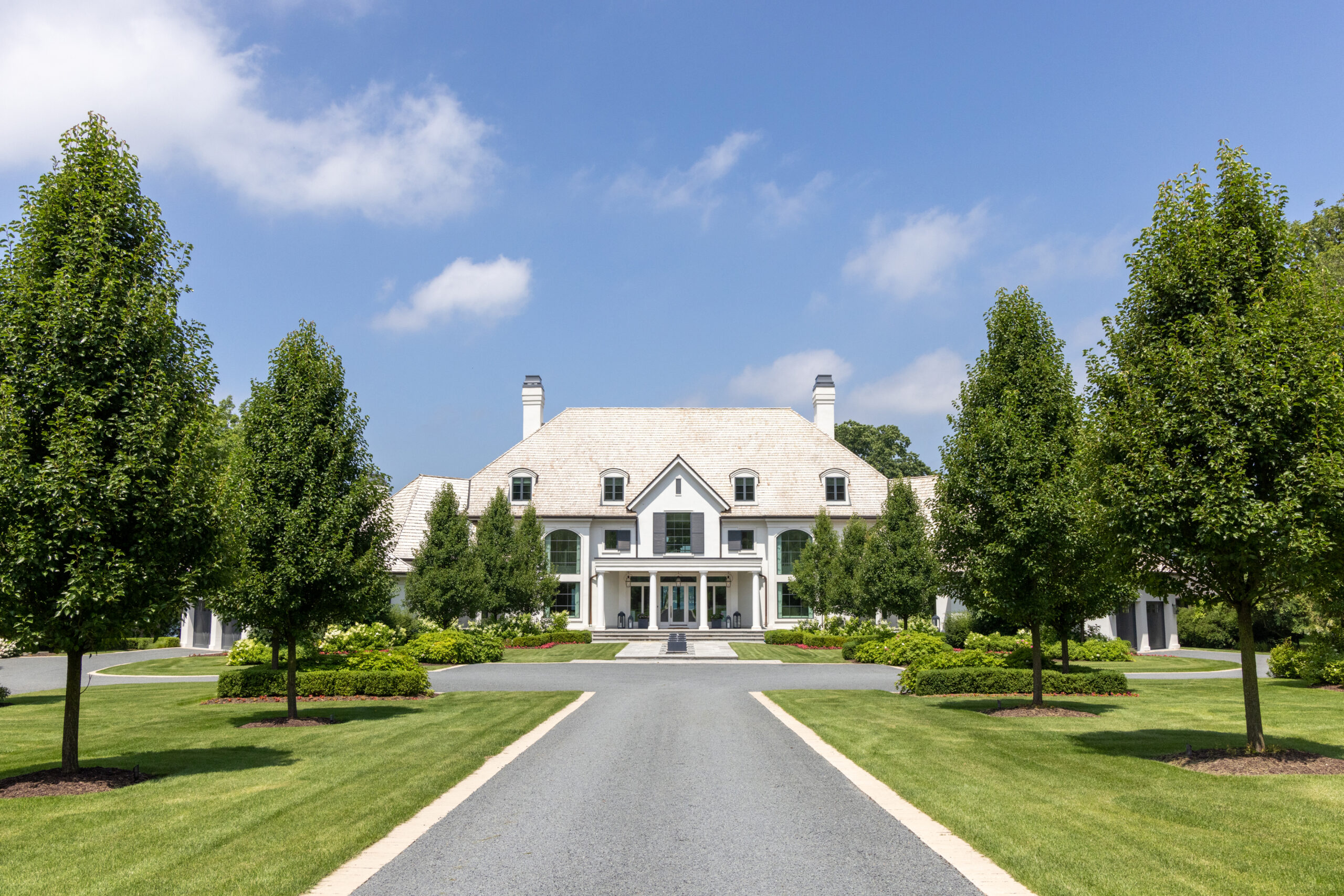
A home begins to reveal itself long before you reach the front door.
The drive, the first glimpse of the architecture, and the way the entry unfolds all shape the experience of arriving home. A long approach through mature trees feels different from a house that comes into view at once. A courtyard, change in elevation or carefully positioned entry can add a sense of privacy and anticipation.
In a custom home, these moments can be designed around the property rather than treated as an afterthought. The goal isn’t a grand entrance. It’s an arrival that feels natural to the setting and gives the home a sense of presence from the very beginning.
Choose Materials That Belong
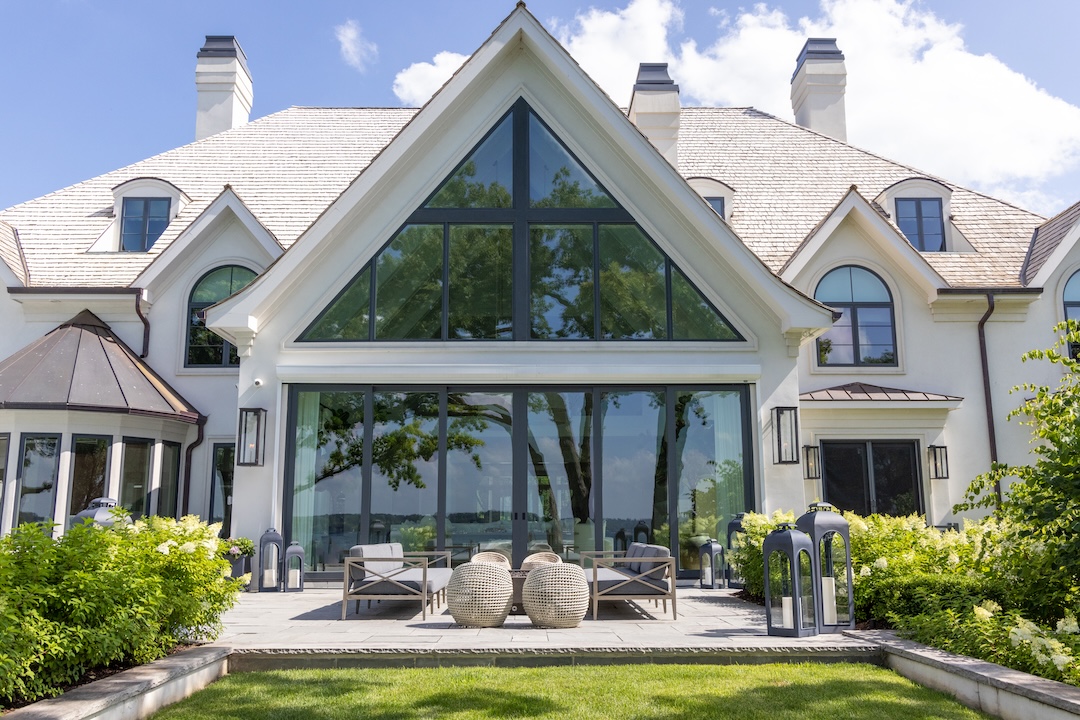
A home can complement its surroundings without matching them.
Sometimes that means drawing from the colors and textures of the landscape. Other times, contrast is what makes the architecture feel right. What matters is how proportion, texture, color and finish work together with the character of the property.
For this Lake Geneva home, clean lines and simple forms create a quiet counterpoint to the lake and landscape. Smooth stucco, black-mullioned glass and a wood-shake roof accented with copper bring contrast and warmth, while expansive glass keeps the water and surrounding landscape at the center of the experience.
The result is a modern home that feels distinctive to its setting, rather than designed to simply blend.
Design for Privacy
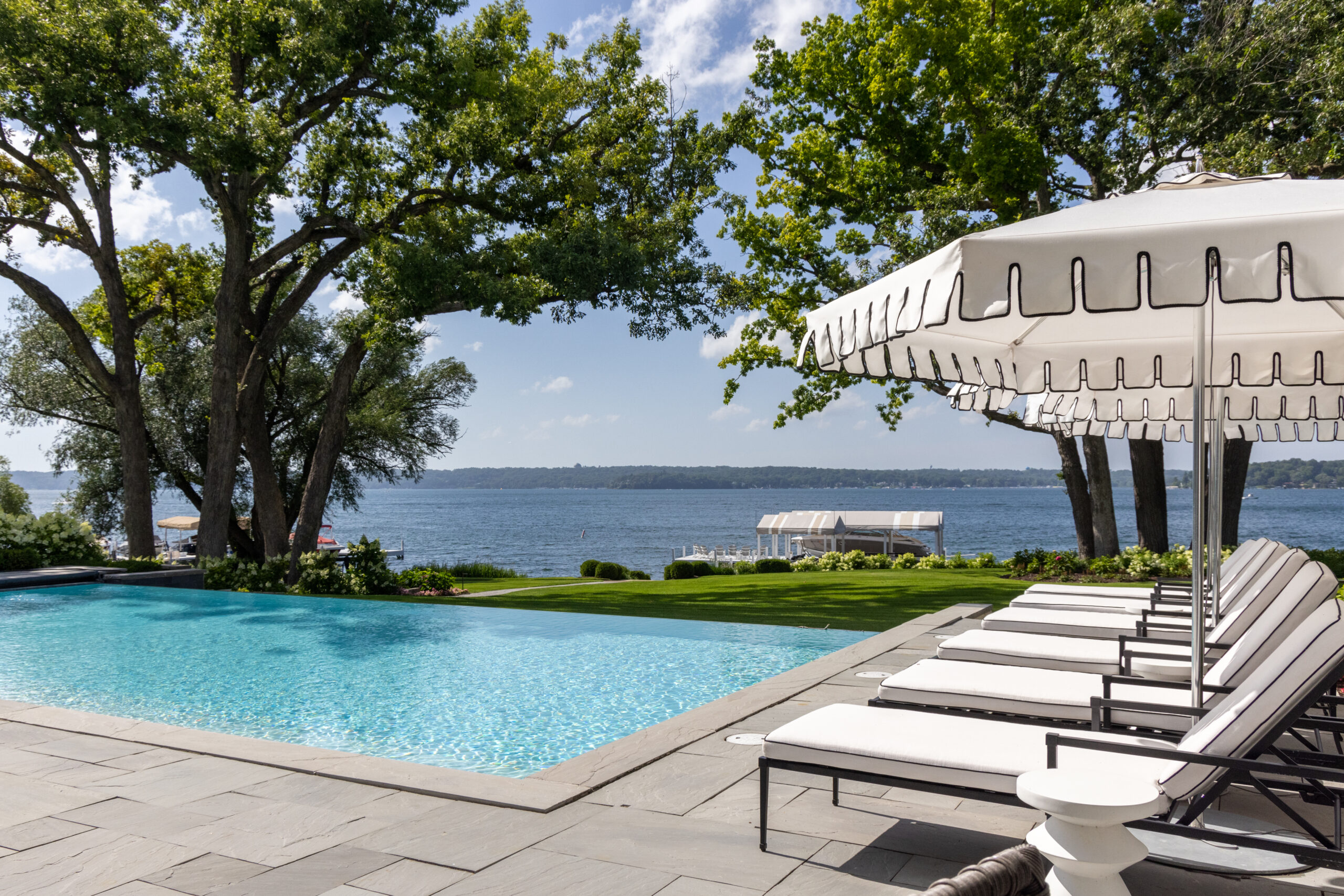
Sometimes the best view is the one you never have to see.
A lake view may be the priority from the living room, while the primary bedroom needs to turn away from the driveway. A neighboring home or nearby road may call for a different response. In custom home design, privacy can be shaped through window placement, landscaping, architectural screening or simply the orientation of a room.
The most effective solutions are often subtle. They give you the views you want while quietly filtering out everything you don’t.
When Everything Feels Meant to Be
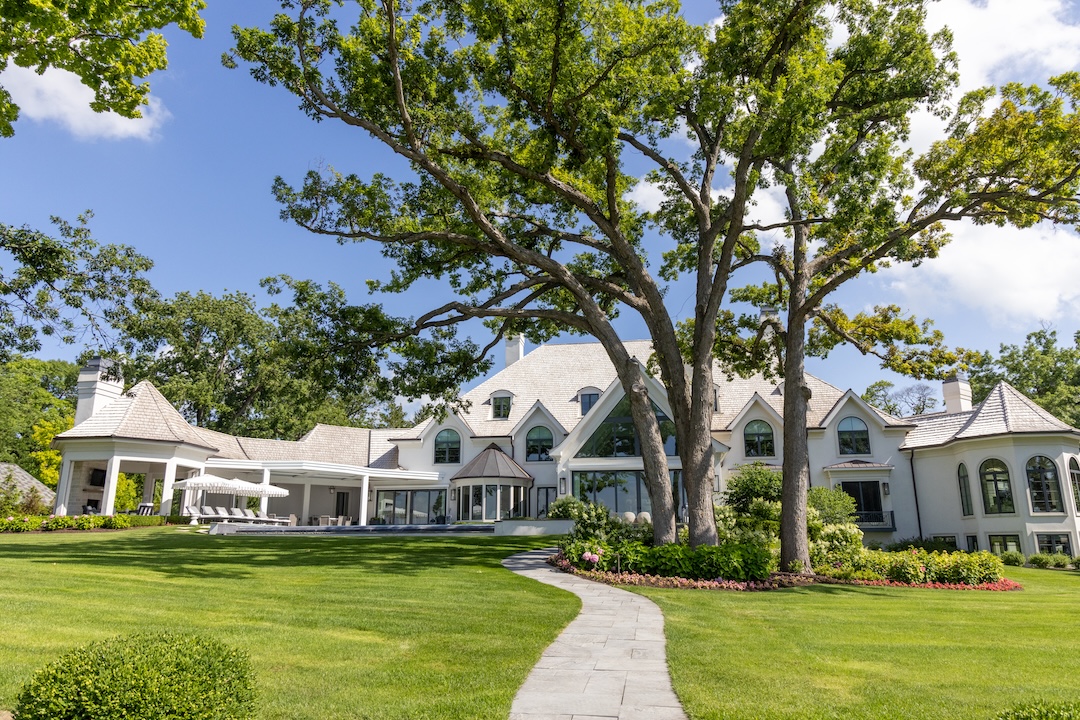
There is a quality to a truly custom home that is difficult to define, but easy to recognize.
The architecture makes sense on the property. The windows capture the views that matter. The light works with the way the rooms are used. Materials, landscape and privacy have all been considered. Nothing feels arbitrary.
That doesn’t happen by accident.
At Lowell Custom Homes, the process begins with understanding both the property and the people who will live there. The home is shaped around both, allowing the architecture to respond to the land rather than simply occupy it.
The result isn’t a house that could belong anywhere. It is one that feels as though it was always meant to be there.
Explore our portfolio for custom home design ideas and inspiration
Photos by Shanna Wolf Photography